


Feul your future:
Learn languages, Ignite learning
What is mLang®?

mLang® is a multimodal e-language teaching platform designed to promote self-directed learning among students majoring in Chinese, English, and Mandarin, and to enhance teaching effectiveness. It promotes the digitalization of language learning and teaching. Its features include:

Multimodal scaffolding-assisted learning
The platform enables students to use multimodal learning to enhance their strengths—speaking and listening—and overcome their weaknesses—reading and writing. It provides systematic scaffolding support to build language skills.

Expand the depth and breadth of learning
The platform encourages students to bring their life experiences into their regular learning, breaking the limitations of the classroom, making language learning more relevant to daily life, and expanding the depth and breadth of learning.

Assessment that promotes learning
The platform makes it easy for teachers to provide students with warm and personalized oral or written feedback, learn to accept opinions, and improve learning content on their own.

Gathering and sharing knowledge
The platform facilitates teachers in sharing students' outstanding works, promotes peer observation and learning, and establishes class-based learning communities and learning resource databases.

Inspire autonomy and pursue excellence
The platform allows students to like and evaluate each other, encouraging a spirit of exploration, innovation, and independent learning, and working together to achieve excellence.
mLang® platform functions
mLang® Multimodal Learning Card
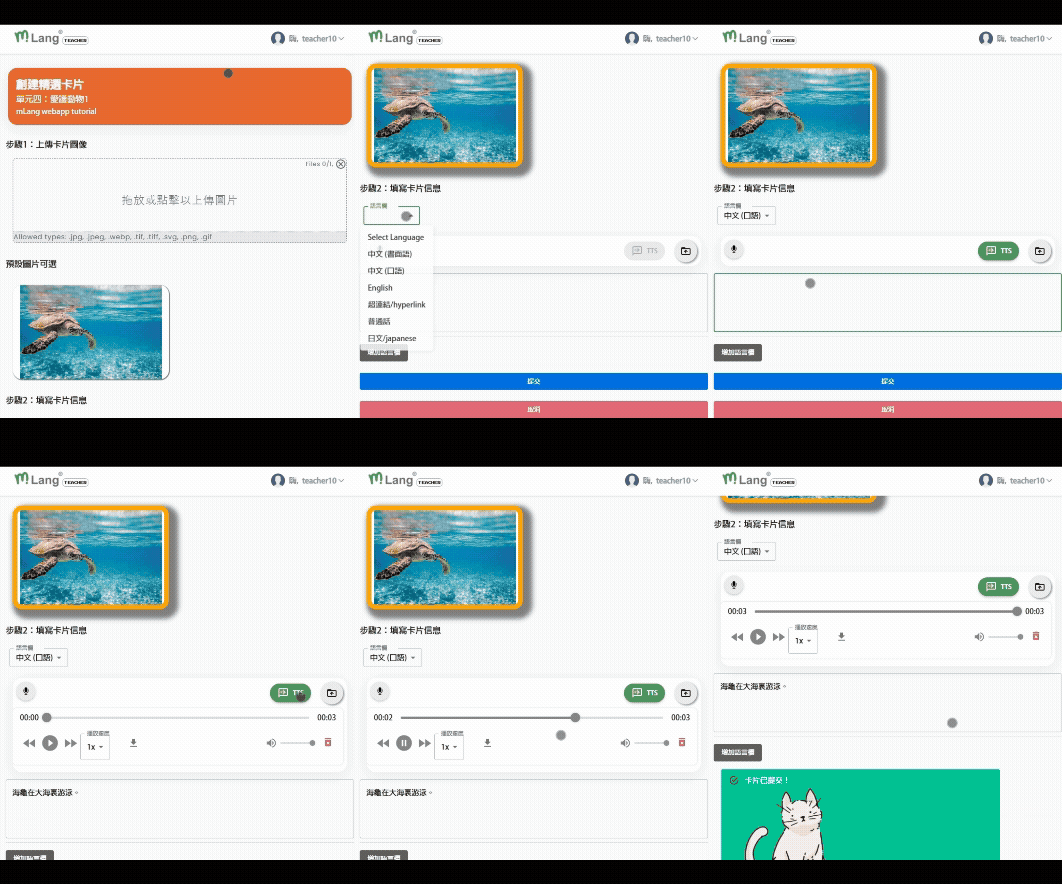
Students create and submit learning cards
The teacher creates different thematic studies on various daily life topics, and students create learning cards that fit the themes.
The platform has a speech-to-text function that allows learners to check their pronunciation for accuracy.
Each learning card has form, sound, and meaning.
Each student-created vocabulary card has form (characters), sound (audio recordings), and meaning (images). This allows students to integrate information, aids in self-directed learning, enhances interest through multi-sensory stimulation, consolidates knowledge, facilitates review at any time, and strengthens language mastery.

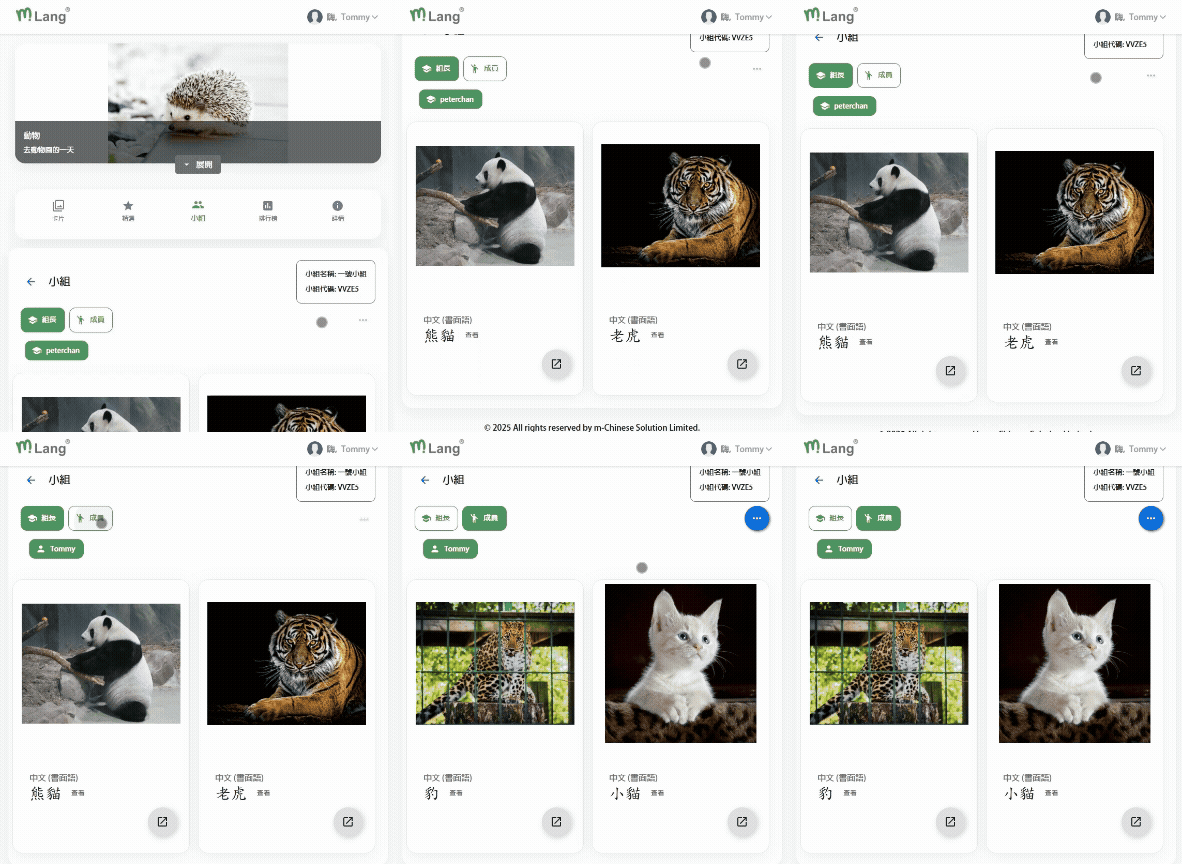
The group function supports a variety of teaching activities.
The platform supports teachers or students creating groups, where members can see each other's business cards. They can also submit business cards as a group.
mLang® supports teachers' teaching
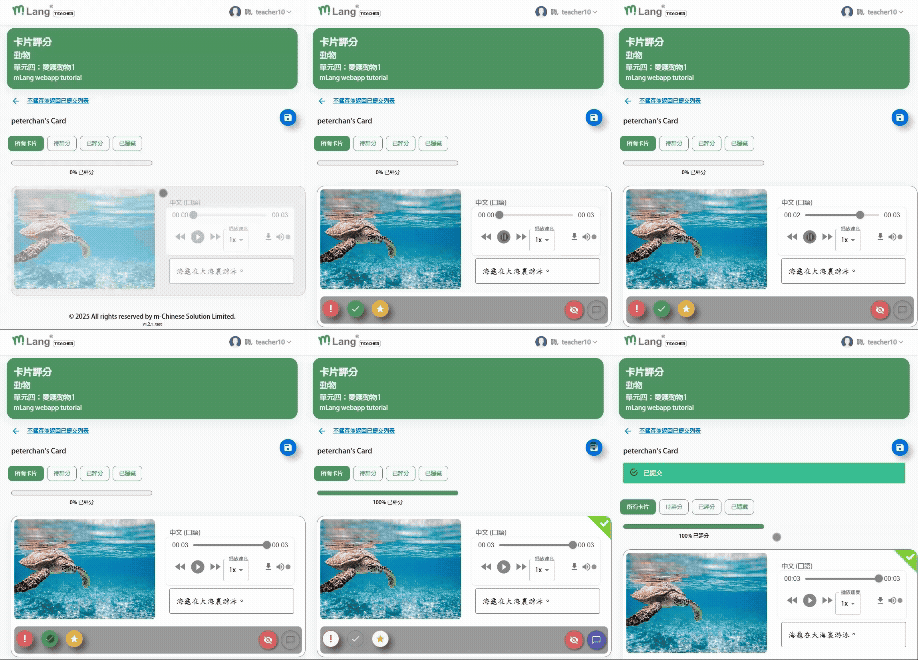
Teachers can quickly provide feedback to students in a multimodal manner.
Teachers can see the learning cards submitted by students and can provide feedback to students in both audio and text format.
At the same time, teachers can also select student business cards to share with the whole class, and understand the needs of individual students to provide personalized feedback. This feedback is only seen by the teacher and the student.
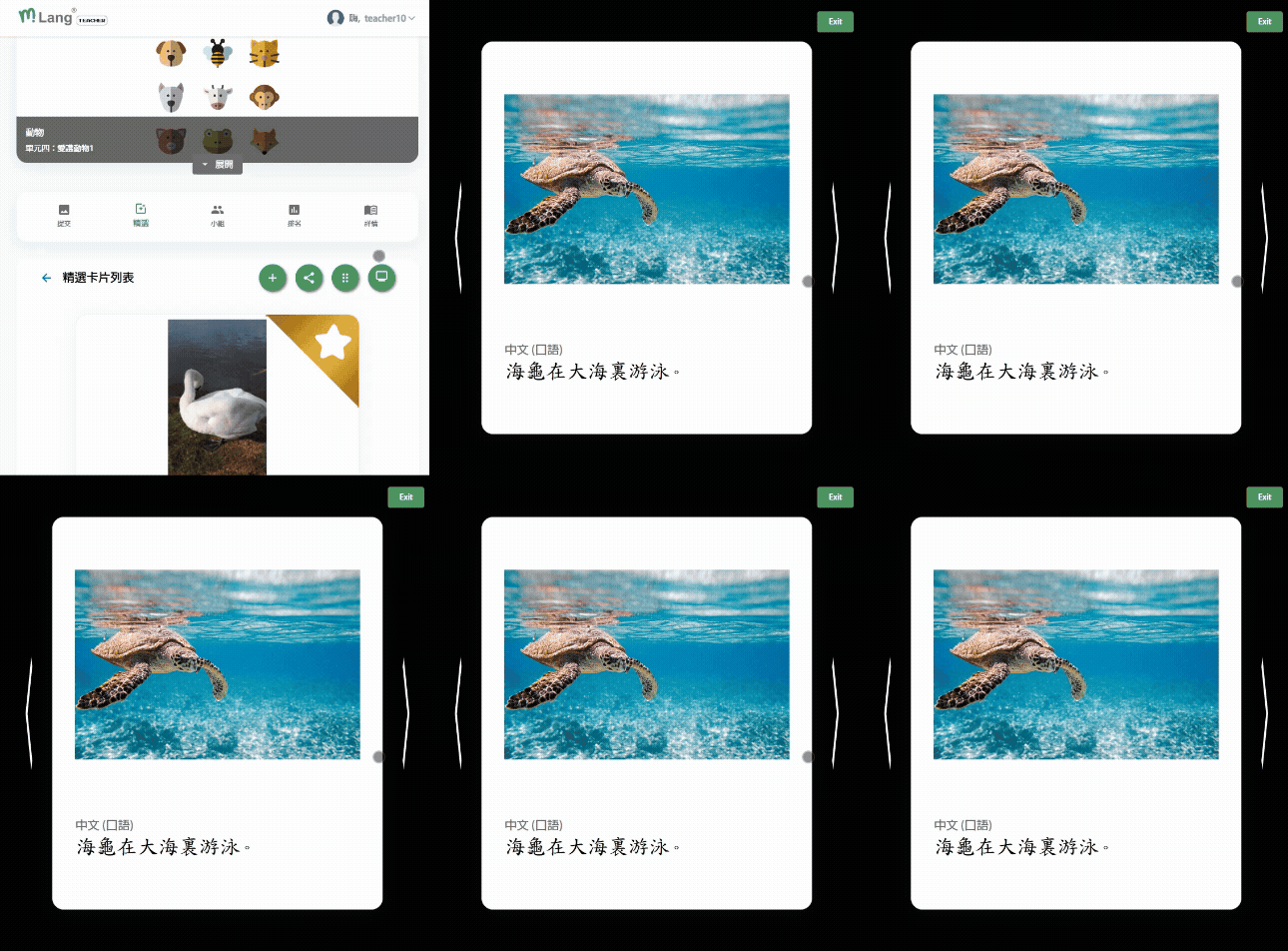
Projection mode makes sharing learning cards more convenient.
Teachers can interact with students in real time during class through the mLang platform. Students can create and submit learning cards to their teachers instantly. Teachers can then showcase learning outcomes and provide feedback in real time, thereby increasing students' interest in learning.
School-based project study database
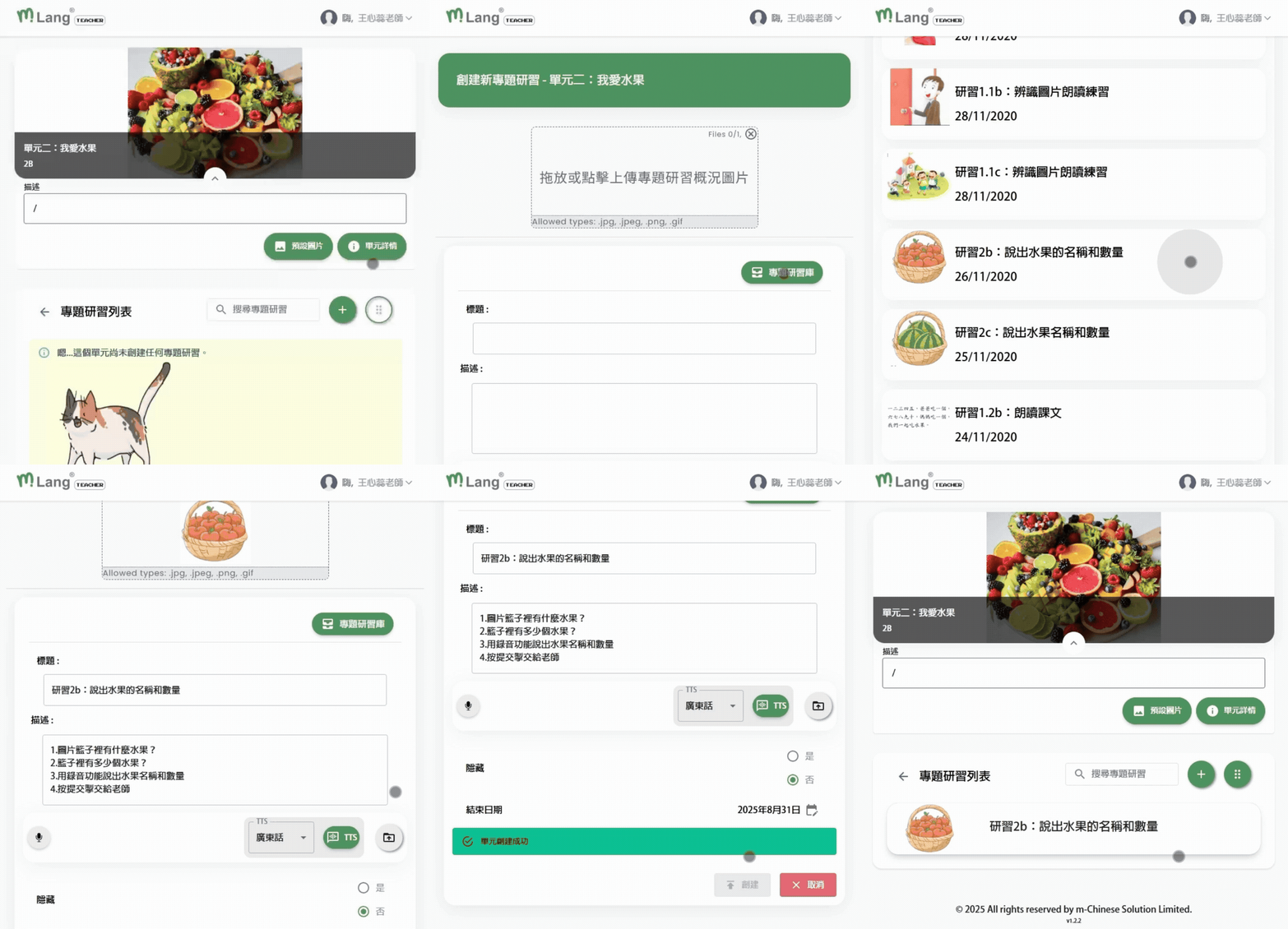
Our platform's school-based project study database helps teachers prepare lessons together and also allows them to reuse project studies, reducing their workload.
In addition, we can design and upload project studies to the school-based project study database for schools, at a price to be discussed separately.
mLang® Knowledge Crowdfunding and Learning Concepts Through Games

Teachers and students work together to build a shared knowledge base.
Whenever the teacher selects a student's learning card, all students in the class will see it. In addition to the learning cards created by the students themselves, each student can gradually build a shared learning knowledge base that includes their own content and that of other students in the class.
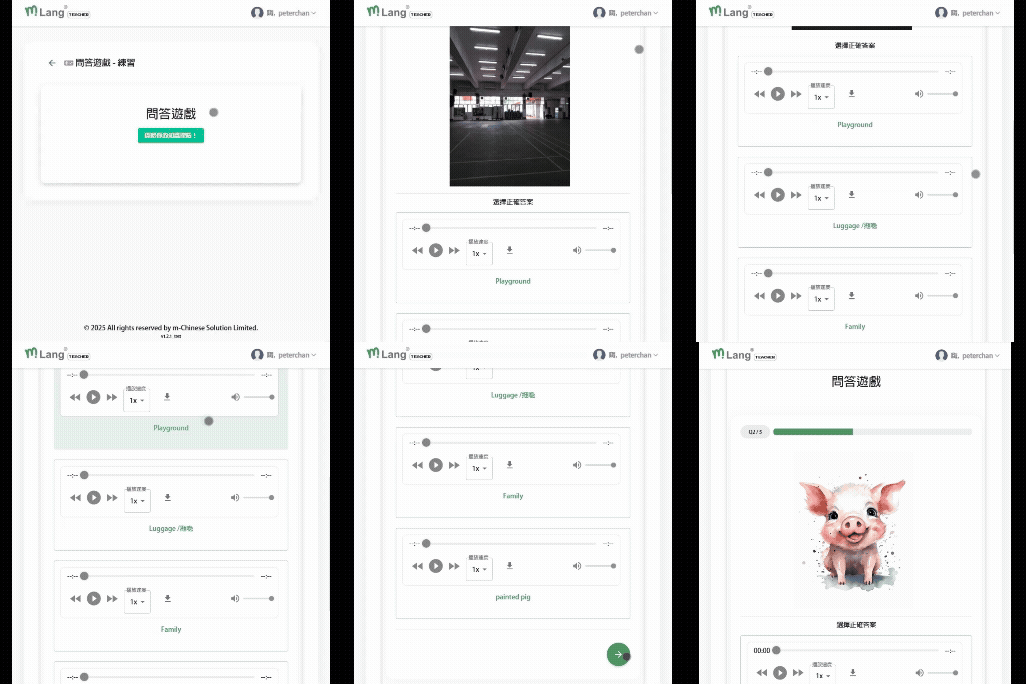
Shared knowledge bases are also a source of game content.
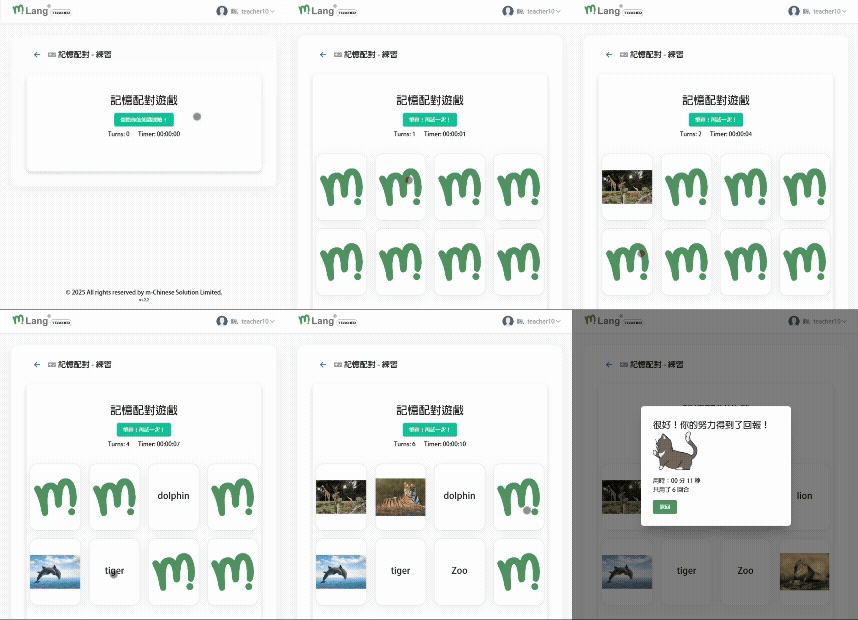
Teachers can also memorize and match the students' selected card edges in the game, and there are battle and ranking functions so that students can learn during the game.
Matchmaking game
Quiz game
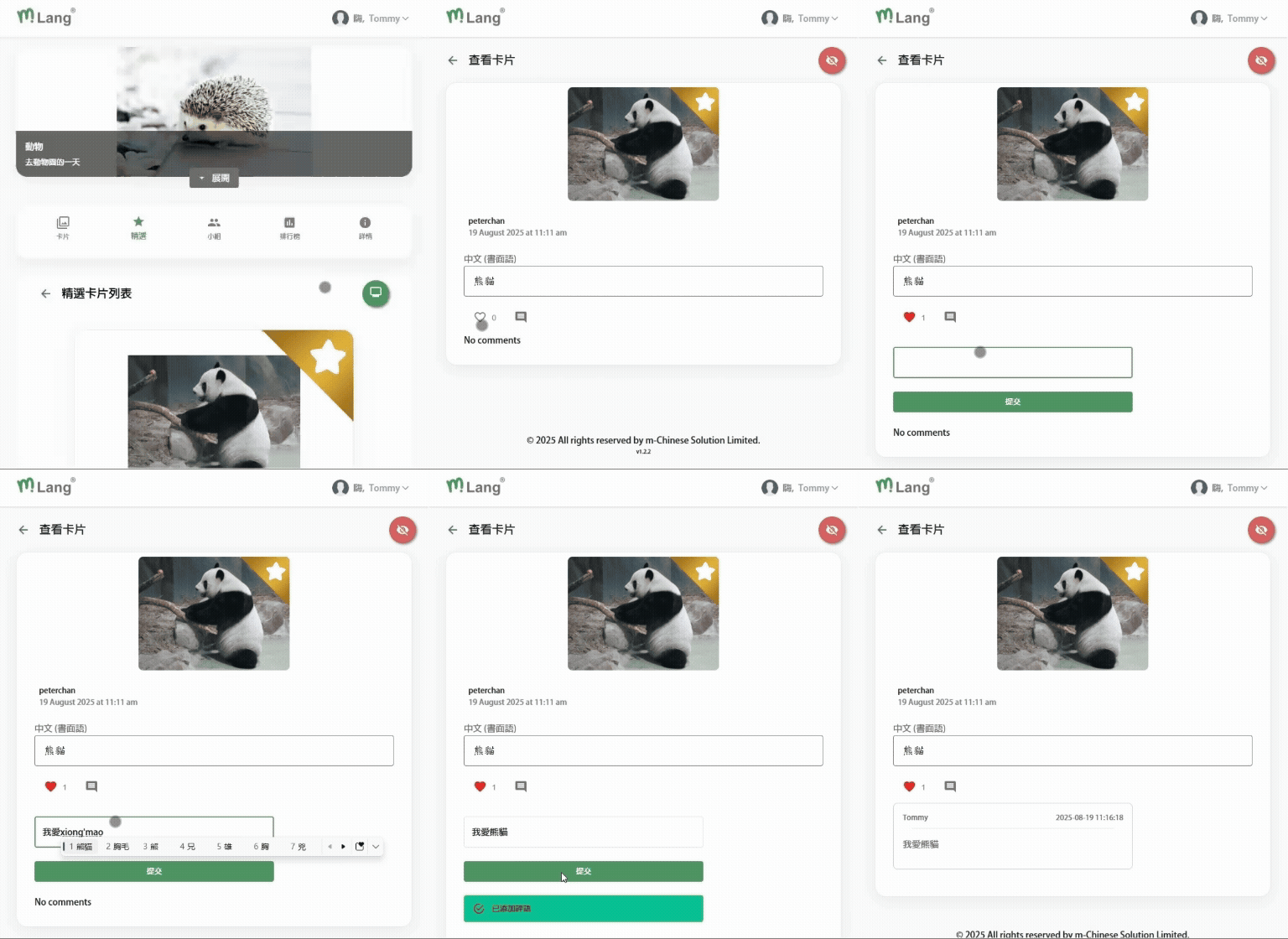
Peer assessment learning card
All the learning cards are carefully selected by the teachers, and classmates can give each other "approval" and comments. For example, the content of the comments is pre-set by the teacher and related to the learning questions. This fosters a peer-to-peer learning atmosphere among students in the class.
Application of mLang® pedagogy
Since 2015, the mLang® platform has provided students with opportunities to improve their English and Chinese language skills, with remarkable results. Even during the pandemic, when in-person classes were suspended, students' language assessment results and learning motivation still showed significant increases. This demonstrates that mLang® not only improves students' language abilities but also stimulates their initiative in learning. The platform's flexibility and interactivity enable students to learn continuously in various environments, thereby enhancing their language skills and confidence. This achievement fully demonstrates the potential and value of technology in education.
Currently, the mLang® platform serves over 100 schools and institutions, storing over 320,000 learning cards.
Four-stage, three-step teaching method
Four-stage, three-step teaching method
The Four-Stage Three-Step Teaching Method is an innovative language teaching model divided into four learning stages, each with three scaffolding steps. It begins with vocabulary learning, gradually progressing to sentence construction, paragraph organization, and ultimately, essay writing. This method emphasizes a gradual transition from a highly dependent, high-control learning environment to autonomous, low-control independent learning. When used in conjunction with the mLang® e-learning platform, it effectively improves students' English and Chinese language skills and promotes personalized learning, allowing students to gradually master language skills with scaffolding support.

Learning Chinese as a Second Language

The mLang® teaching method is specifically designed for learning Chinese as a second language.
The mLang® teaching method supports non-Chinese speaking students in learning Chinese through a number of innovative features. The platform offers features such as electronic flashcard creation, voice recording guidance, vocabulary image search, collaborative learning communities, and real-time feedback, allowing students to view and like each other's work and participate in voting activities. Artificial intelligence checks for common flashcard errors and provides real-time feedback. Empirical evidence shows that 100% of students' Chinese proficiency improved, and over 60% experienced increased learning motivation. These interactive features make learning fun and engaging, effectively addressing the difficulties faced by ethnic minorities in learning Chinese and promoting their integration into Hong Kong society.
In conjunction with mAI Mind® , it assists students in writing.
By utilizing the mLang® platform in conjunction with our mAI Mind® Chinese essay assessment system, and through a four-stage, three-step teaching method, students can use the mLang® platform to collect vocabulary, construct sentences, and structure paragraphs before writing. While writing using the mAI Mind® platform, students can return to the mLang® platform at any time to view vocabulary lists, facilitating the writing process.
